Buying structural plywood in Australia can feel weirdly opaque. Labels look simple, but the grade stamp is doing a lot of work. This guide breaks down what F14 actually means, how it compares to other grades, and what sizes people can realistically get in the Australian market.
What does F14 grade plywood actually mean?
F14 is a structural stress grade that indicates the plywood’s strength and stiffness rating under Australian standards. In plain terms, it tells builders and certifiers that the sheet is suitable for certain load-bearing uses when installed correctly.
In Australia, the “F” rating is part of a stress grading system used for timber products. F14 grade plywood sits in the mid-range, commonly used where reliable structural performance is needed without stepping up to higher grades like F17.
Is F14 the same thing as plywood appearance grades?
No. F ratings describe structural capacity, not how the face looks. Appearance grades are usually shown as letters (like A, B, C, D) or descriptions related to finish suitability.
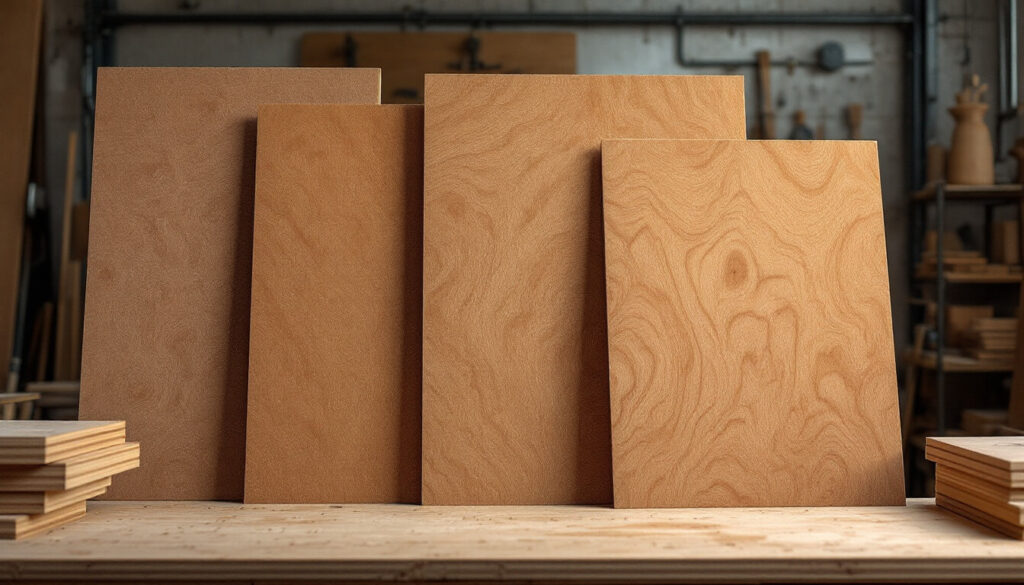
Someone can buy a good-looking sheet that is not structurally rated at all. And they can buy F14 grade plywood that looks a bit rough but is built for framing and bracing. The stamp and the supplier paperwork matter more than the face.
Which Australian standards apply to F14 grade plywood?
In Australia, structural plywood is typically manufactured and certified to relevant Australian Standards for plywood and structural use. The key point is that the sheet must be stamped, traceable, and compliant for structural applications.
For projects needing approvals, builders usually check that the product is suitable for the intended use and that documentation is available. With F14 grade plywood, they should expect a brand stamp showing structural rating and compliance markings, not just a generic “plywood” label.
When would someone choose F14 instead of F17 or F11?
They choose F14 when the design calls for a dependable structural sheet but does not require the higher capacity (and cost) of F17. It is also a common step up when F11 feels too light for the span, spacing, or bracing requirement.
For many residential builds, F14 grade plywood lands in the practical middle. Not overkill. Not flimsy. Just… appropriate, assuming the engineer’s details match.
Where is F14 grade plywood commonly used in Australia?
It is commonly used for bracing, flooring underlay where structural rating is specified, wall sheathing, roofing substrates, and general structural sheet applications. The exact use depends on thickness, span, fixing schedule, and moisture exposure.
On Australian job sites, F14 grade plywood is often selected for bracing panels and structural linings because it is widely stocked. It also shows up in renovations where they need predictable performance but cannot easily source specialised imported panels.
What is the difference between F14 and “structural plywood” as a general label?
“Structural plywood” is a broad category that can include multiple stress grades, including F11, F14, F17, and sometimes higher depending on the product line. F14 is the specific stress grade inside that category.
So if a listing just says “structural ply”, it is incomplete. People should look for the stamp or specification confirming F14 grade plywood (or another nominated grade) to avoid mismatches with plans or approvals.
What sheet sizes does F14 grade plywood come in across Australia?
In Australia, the most common sheet size is 2400 x 1200 mm. Some suppliers also stock 2700 x 1200 mm for certain product lines, and less commonly 1800 x 1200 mm for smaller applications.
Availability depends on the manufacturer and state-based distribution. If they specifically need F14 grade plywood in longer lengths for fewer joins, they usually have to order ahead rather than assume it is on the shelf.
What thicknesses are typical for F14 grade plywood?
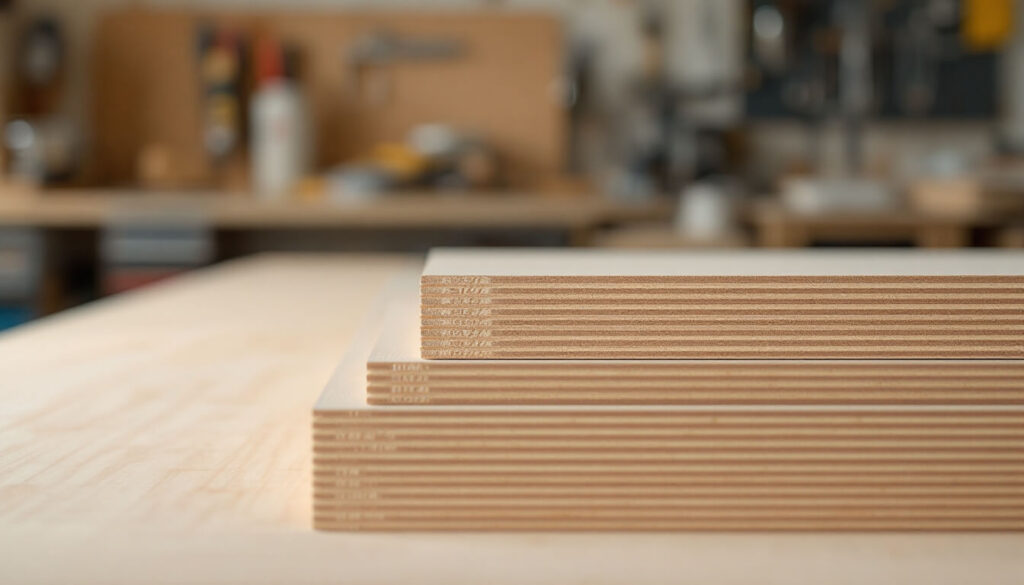
Common thicknesses include 7 mm, 9 mm, 12 mm, 15 mm, 17 mm, 19 mm, and 21 mm, though not every yard stocks every thickness. Thicker sheets are generally used where spans are larger or where stiffness is critical.
In practice, builders often see F14 grade plywood in the 12 to 19 mm range for structural lining and flooring-style uses. For bracing, thickness is often driven by the bracing schedule and fixing pattern, not guesswork.
Does F14 grade plywood come in treated options for Australian conditions?
Yes, some products are available as H2 treated for internal, above ground framing risk areas, and sometimes higher treatment levels depending on the product and intended exposure. Treatment selection should match the hazard class and the build location.
Australia’s climate swings hard, from coastal salt air to tropical humidity. If moisture or termites are a factor, they normally look for treated F14 grade plywood or they protect it through design, wraps, and correct sealing.
How does moisture rating relate to F14 grade plywood?
Moisture rating is separate from stress grade. Structural plywood might be manufactured with different glue bonds and durability ratings suitable for interior or exterior exposure, but F14 itself does not automatically mean “exterior grade”.
People should check whether the sheet is rated for interior, exterior, or marine style conditions based on the project. In Australian builds, a common mistake is assuming F14 grade plywood is automatically weatherproof, then leaving it exposed on site too long.
How can someone identify genuine F14 grade plywood at the timber yard?
They identify it by the sheet stamp and the supplier’s product information. The stamp typically includes the stress grade (F14), the manufacturer brand, and standard compliance marks, plus details like bond type or intended use category.
If the sheet has no stamp, no paperwork, and no traceability, it is risky to treat it as F14 grade plywood for structural approvals. A good yard will provide a data sheet or point to the manufacturer’s certification details.
What should they ask for when ordering F14 grade plywood in Australia?
They should ask for the stress grade (F14), sheet size, thickness, whether it is tongue and groove (if relevant), whether it is treated, and whether it is suitable for interior or exterior exposure. They should also ask what the face grade is if appearance matters.
For bigger jobs, they often confirm lead times and whether sheets come from one batch for consistency. With F14 grade plywood, consistency helps when the build needs repeatable fixing behaviour and predictable stiffness.
Is F14 grade plywood suitable for flooring in Australian homes?
It can be, but suitability depends on the floor system design, joist spacing, and whether the sheet is designed for that use. Many flooring systems specify a particular thickness and fixing schedule, sometimes with tongue and groove edges.
If they are using F14 grade plywood as a structural floor, they should follow the manufacturer’s installation guide and any engineer detail. Flooring failures are usually about spacing, glue, fixings, and moisture movement. Not just the grade on the stamp.
How does F14 compare to marine plywood sold in Australia?
Marine plywood is generally about durability, veneer quality, and bond performance, not automatically about stress grade. Some marine products may be structurally rated, some may not be, and some may have a different focus altogether.
So the comparison is not one to one. If the project needs structural capacity, they look for F14 grade plywood or another nominated structural grade. If the project needs high durability in wet conditions, they check for an appropriate marine specification, then confirm whether a structural rating is also present.
What are the common mistakes people make with F14 grade plywood?
A common mistake is confusing structural grade with appearance grade and buying the wrong sheet for the job. Another is assuming all structural plywood is exterior rated, then exposing it to rain for weeks and wondering why edges swell.
They also sometimes ignore fixings and bracing schedules, which is where the real performance comes from. F14 grade plywood can only do what the design allows, and only if installed the way the system expects.
How do they choose the right grade and size for an Australian project?
They choose it based on the plans, engineer notes, and intended exposure conditions, then match that to what is actually stamped on the sheet. The right choice is usually the one that meets the design with the least complexity, not the one that sounds strongest.
For many residential and light commercial builds, F14 grade plywood in 2400 x 1200 mm sheets is the simplest, most available option. But the final call should always line up with the project documentation and local Australian compliance requirements.
FAQs (Frequently Asked Questions)
What does F14 grade plywood mean in Australian construction?
F14 grade plywood is a structural stress grade under Australian standards indicating the plywood’s strength and stiffness. It is suitable for load-bearing applications when installed correctly, commonly used where reliable structural performance is needed without the higher capacity of grades like F17.
Is F14 grade plywood related to appearance grades?
No, F14 refers to the structural capacity of the plywood, not its appearance. Appearance grades (A, B, C, D) relate to the finish suitability. An F14 sheet may look rough but is designed for framing and bracing, whereas a visually good sheet may lack structural rating.
Which Australian standards apply to F14 grade plywood?
F14 grade plywood must comply with relevant Australian Standards for plywood and structural use, including traceability and stamping that confirms its structural rating and compliance. Builders check these standards and documentation for project approvals.
When should builders choose F14 over F11 or F17 grade plywood?
Builders select F14 when a dependable structural sheet is needed without the higher cost or capacity of F17. It serves as a practical middle ground between lighter F11 and stronger F17 grades, matching engineering requirements for many residential builds.
What sizes and thicknesses are commonly available for F14 grade plywood in Australia?
Common sheet sizes include 2400 x 1200 mm, sometimes 2700 x 1200 mm or 1800 x 1200 mm depending on supplier and location. Typical thicknesses range from 7 mm up to 21 mm, with 12 to 19 mm being most common for structural lining and flooring applications.
Does F14 grade plywood come treated for Australian environmental conditions?
Yes, some F14 plywood products are available with H2 treatment suitable for internal above-ground framing risk areas. Treatment levels vary based on intended exposure and hazard class to protect against moisture, termites, and harsh climates typical in Australia.
Other article: What Event Cleaning Services Cover Before, During and After a Function